
Bangladesh
01
950,000
Estimated blind people in Bangladesh
Animated Braille and print wordmark for 6DotsLab.
Blind-first research and engineering
We build it the other way around.
6DotsLab researches and builds software and hardware for people who get through the world without sight. We're not trying to recreate vision. We're trying to understand how people actually do things without it, then build tools around that.
We're engineers, cognitive scientists, and designers. Several of us are blind or have low vision ourselves.
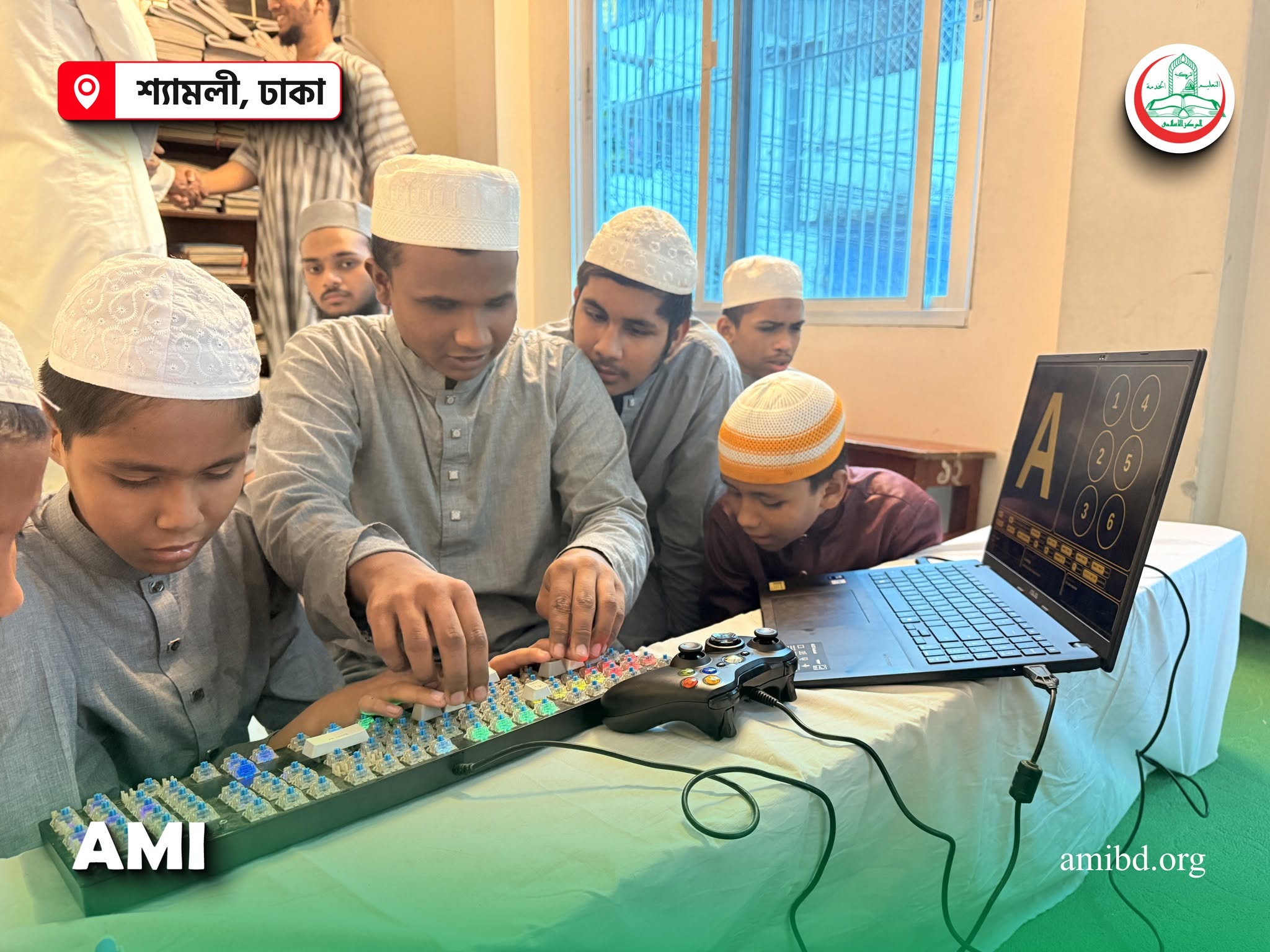
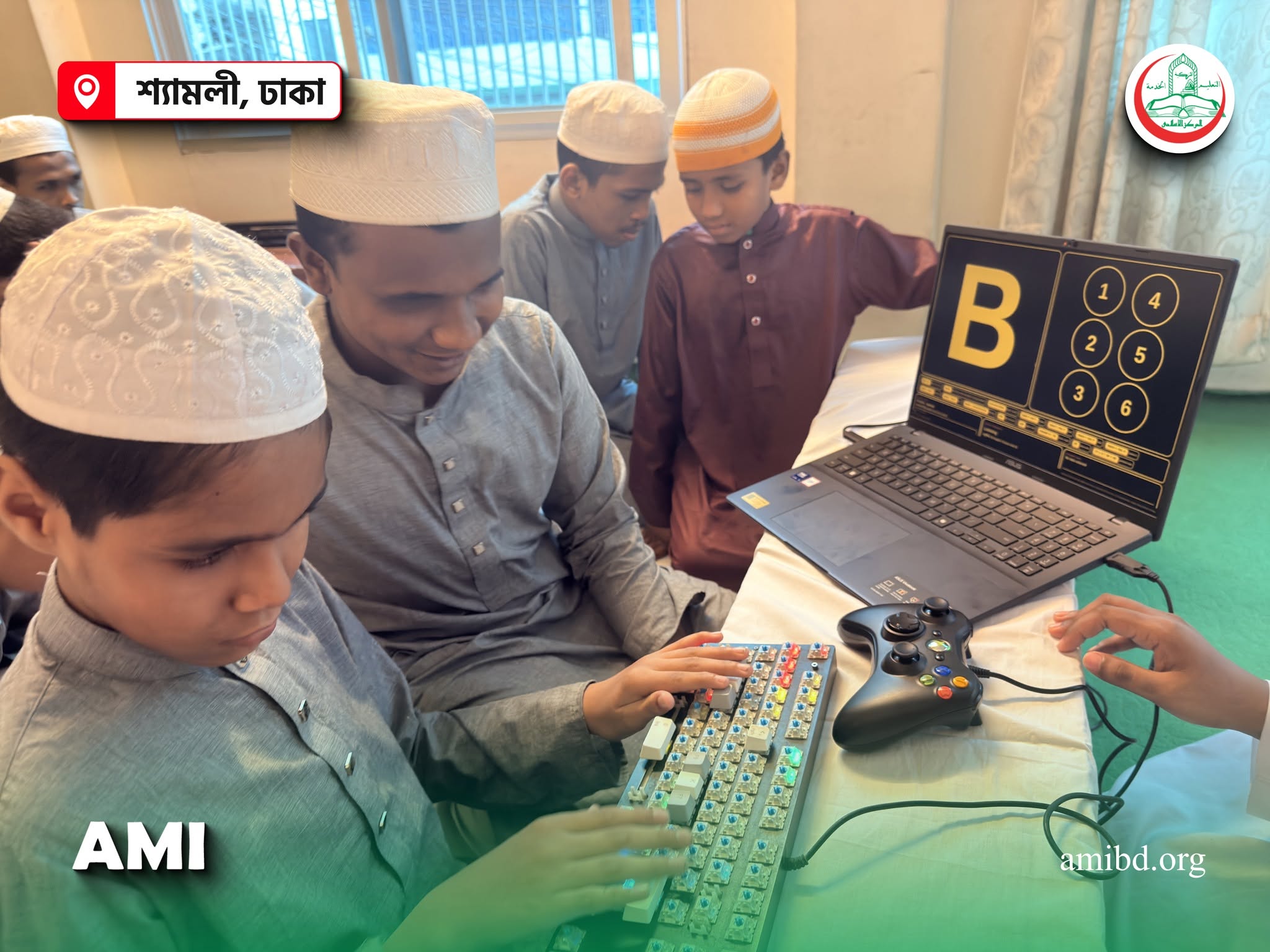
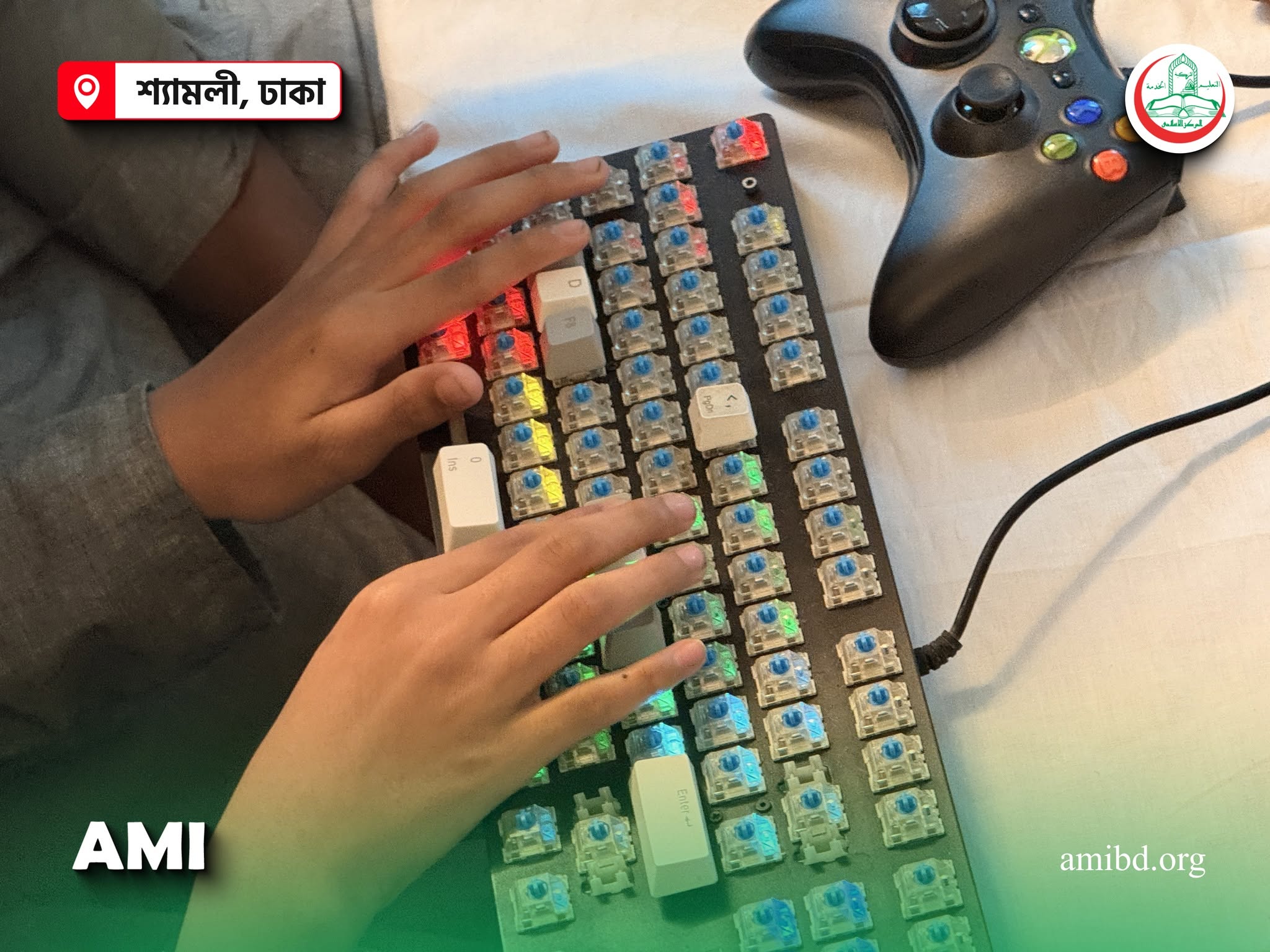
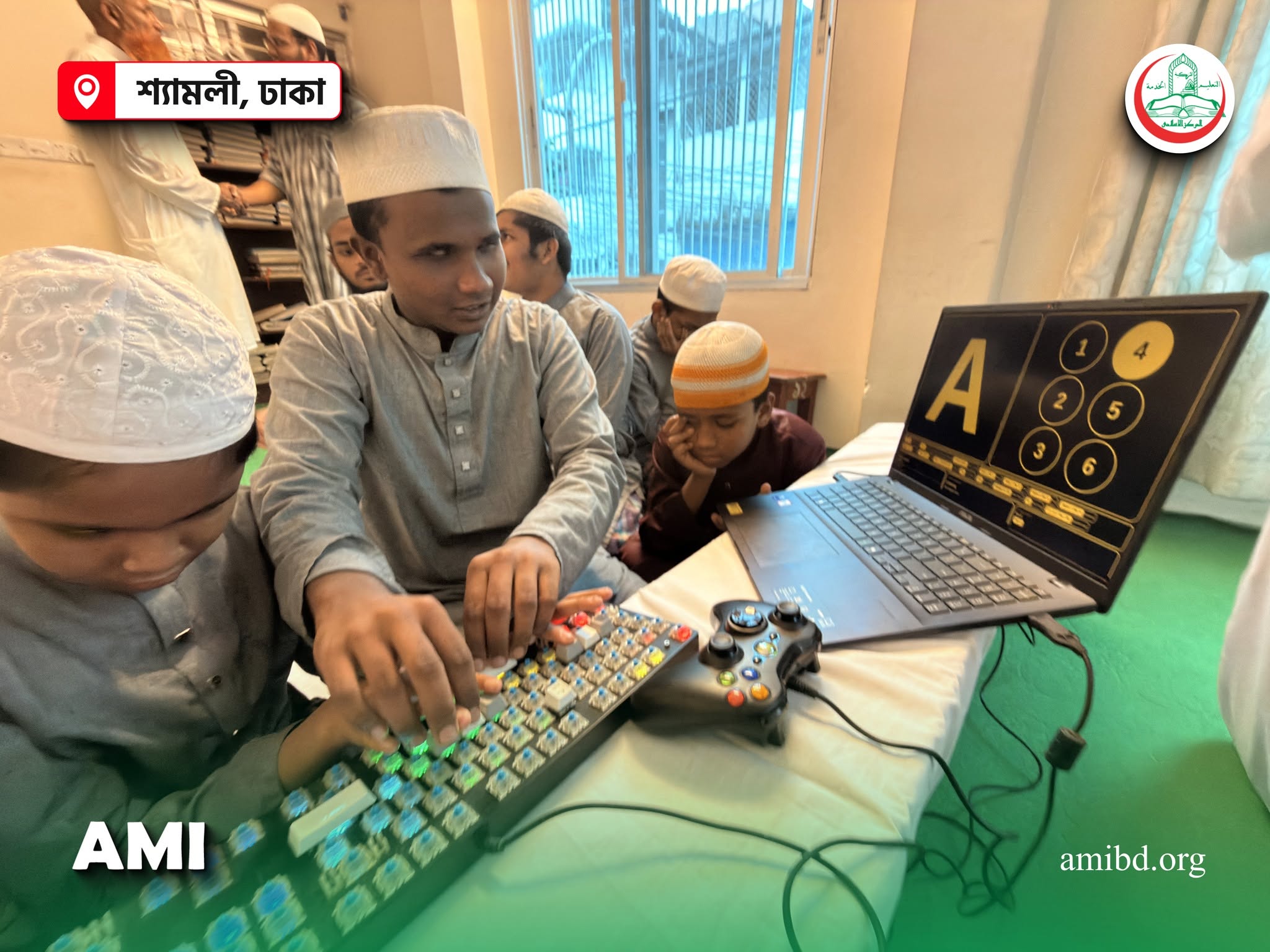
01
Bangladesh has an estimated 950,000 blind people, and roughly 4 million people living with some degree of visual impairment. Most of them will never learn to read.
Braille literacy comes down to three things: a device to write on, a teacher who knows Braille, and material to read. In Bangladesh, all three are scarce. A refreshable Braille display can cost more than $10,000, more than most families, schools, or public libraries will ever spend on one child's education. Even where schools do exist, most teachers have never been trained to teach Braille.
This isn't just a Bangladesh problem. In India, home to roughly a fifth of the world's blind population, only about 1% of blind people are Braille literate. The same gaps in cost, teacher training, and available materials show up across Pakistan, Uganda, Afghanistan, and beyond.
The tools that exist to fix this were built for institutions that can afford a $10,000 device. Most schools can't. That's the gap we're building for.
Bangladesh
01
950,000
Estimated blind people in Bangladesh
Visual impairment
02
4 million
People living with some degree of visual impairment
Device cost
03
$10,000+
Cost of many refreshable Braille displays
Braille literacy
04
1%
Approximate Braille literacy among blind people in India
02
Most "accessible" technology starts as a sighted product with a screen reader bolted onto it after the fact. That's why so much of it feels added on, not built in.
Blind and low-vision people don't experience a broken version of the sighted world. They get through it using sound, touch, and memory, often faster and more accurately than sight would manage the same task. We think technology should be designed around that from the start, not translated for it later.
That's what we work on.
03
We work directly with blind people at every stage of a project, not just at the end to check our work.
It starts before we design anything. We sit down with blind users and talk through the real problem: what's hard right now, what's already been tried, where existing tools fall short. Only then do we start building.
The first version is always rough. We hand it to the same people, watch how they actually use it, and note what doesn't work. Then we fix it and hand it back. Most of our products go through 10 rounds of this before we call them finished.

A workspace for blind-first braille learning and accessible technology.
Built with semantic HTML, high-contrast content, keyboard-friendly navigation, and visible braille text beside headings.